History of Toba Tek Singh
From a Small Water Pond to Pakistan's Agricultural Heartland
Toba Tek Singh is more than just a district in Punjab, Pakistan. It is a land shaped by history, agriculture, resilience, and the vision of generations who transformed fertile plains into one of Pakistan’s most productive regions.
Today, Toba Tek Singh is recognised for its thriving agricultural economy, educational institutions, growing businesses, and hardworking community. However, its journey began long before modern roads, markets, and industries appeared.
In this guide, we explore the fascinating history of Toba Tek Singh—from the legendary Sikh saint whose name still lives on, through the British Canal Colony era, the Partition of 1947, and the district’s emergence as one of Punjab’s most important agricultural centres.
Where Did the Name “Toba Tek Singh” Come From?
The name Toba Tek Singh consists of two words:
- Toba means a pond or water reservoir.
- Tek Singh was the name of a respected Sikh religious figure who lived in this area during the 19th century.
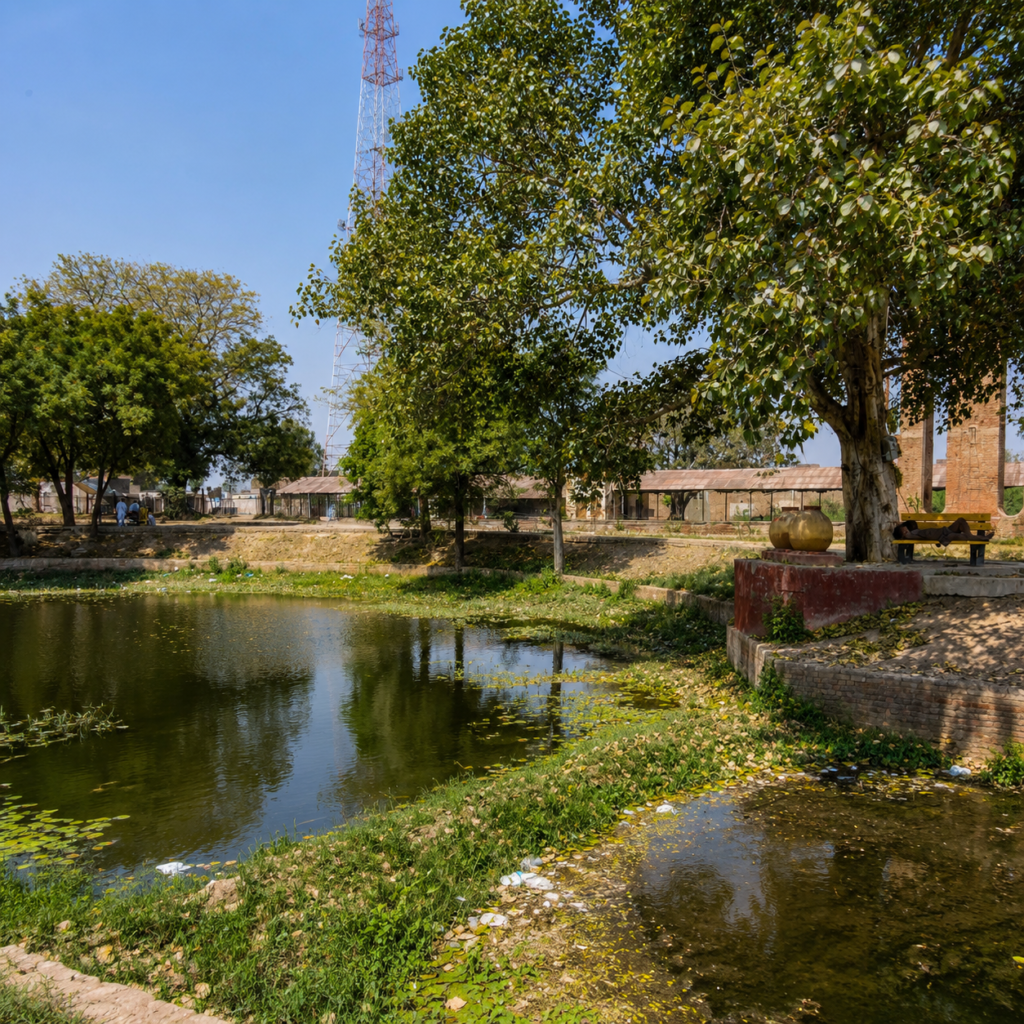
According to local tradition, Tek Singh established a resting place near a natural pond where travellers, farmers, and caravans could find water and shelter while crossing the forests of central Punjab.
Over time, people began referring to the area as “Toba Tek Singh”, meaning “Tek Singh’s Pond.”
Although the district has changed dramatically over the years, the name continues to preserve the memory of its earliest known settlement.

Before Modern Development
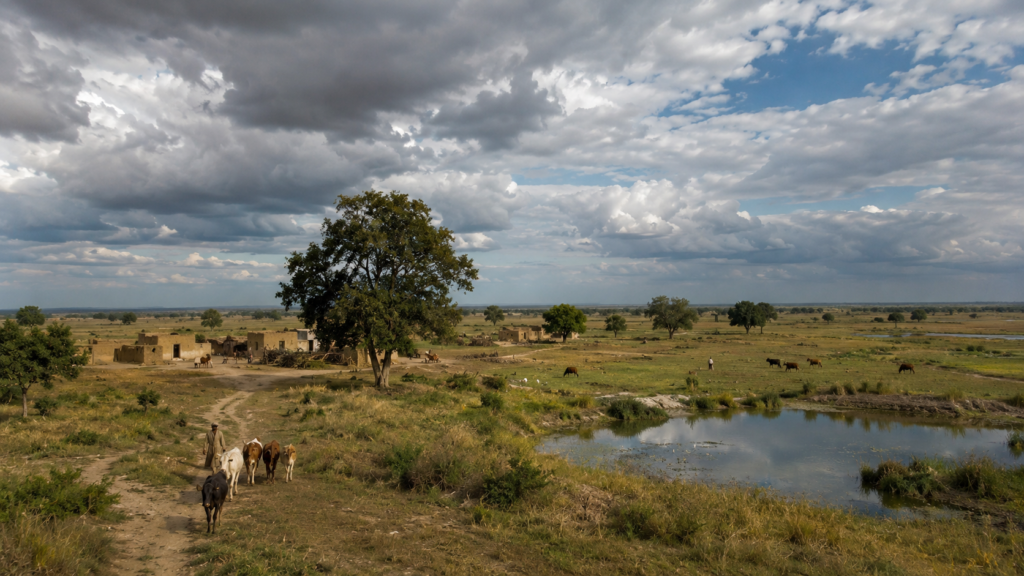
Before British rule, the region was sparsely populated.
Large areas consisted of:
- Dense forests
- Grasslands
- Natural ponds
- Grazing fields
- Small farming settlements
Local communities depended mainly on:
- Livestock
- Rain-fed agriculture
- Seasonal cultivation
- Trade between neighbouring villages
Because irrigation was limited, large-scale farming was difficult.
The British Canal Colony Era
The history of Toba Tek Singh changed forever during British rule.
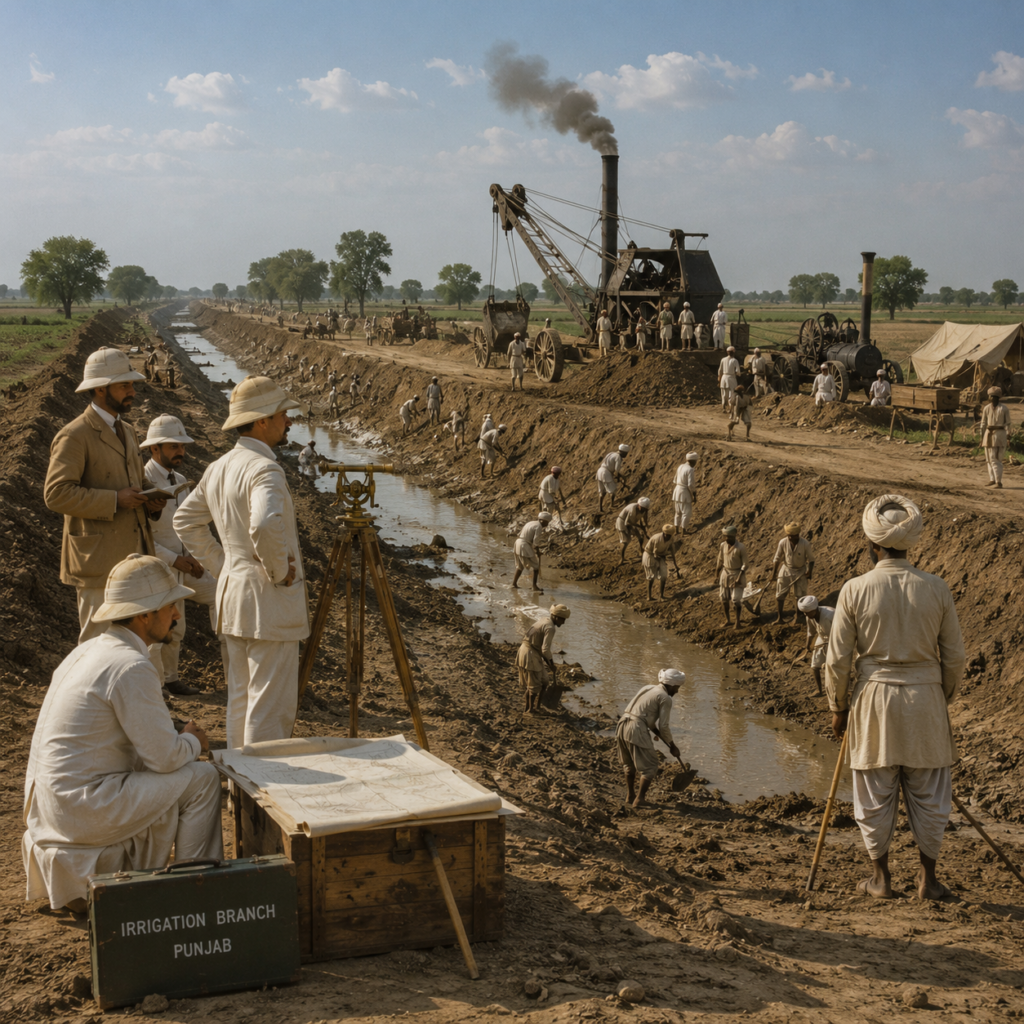
In the late nineteenth century, the British Government launched one of the largest irrigation projects in South Asia by constructing an extensive network of canals across Punjab.
These canal systems transformed previously dry lands into fertile agricultural fields.
Thousands of farming families migrated from different parts of Punjab to settle in newly developed villages around Toba Tek Singh.
This period marked the beginning of rapid agricultural growth.
Major developments included:
- Canal irrigation
- Planned villages
- Road construction
- Railway expansion
- Agricultural research
- Wheat and cotton cultivation
The Canal Colony project laid the foundation for the district’s modern economy.
Growth During the Colonial Period
Between 1900 and 1947, Toba Tek Singh experienced remarkable progress.
New infrastructure connected farmers to regional markets, enabling them to sell crops across Punjab.
The British administration established:
- Schools
- Revenue offices
- Railway stations
- Agricultural departments
- Public markets
These developments encouraged population growth and increased economic activity.
Agriculture soon became the backbone of the local economy.

The Partition of 1947
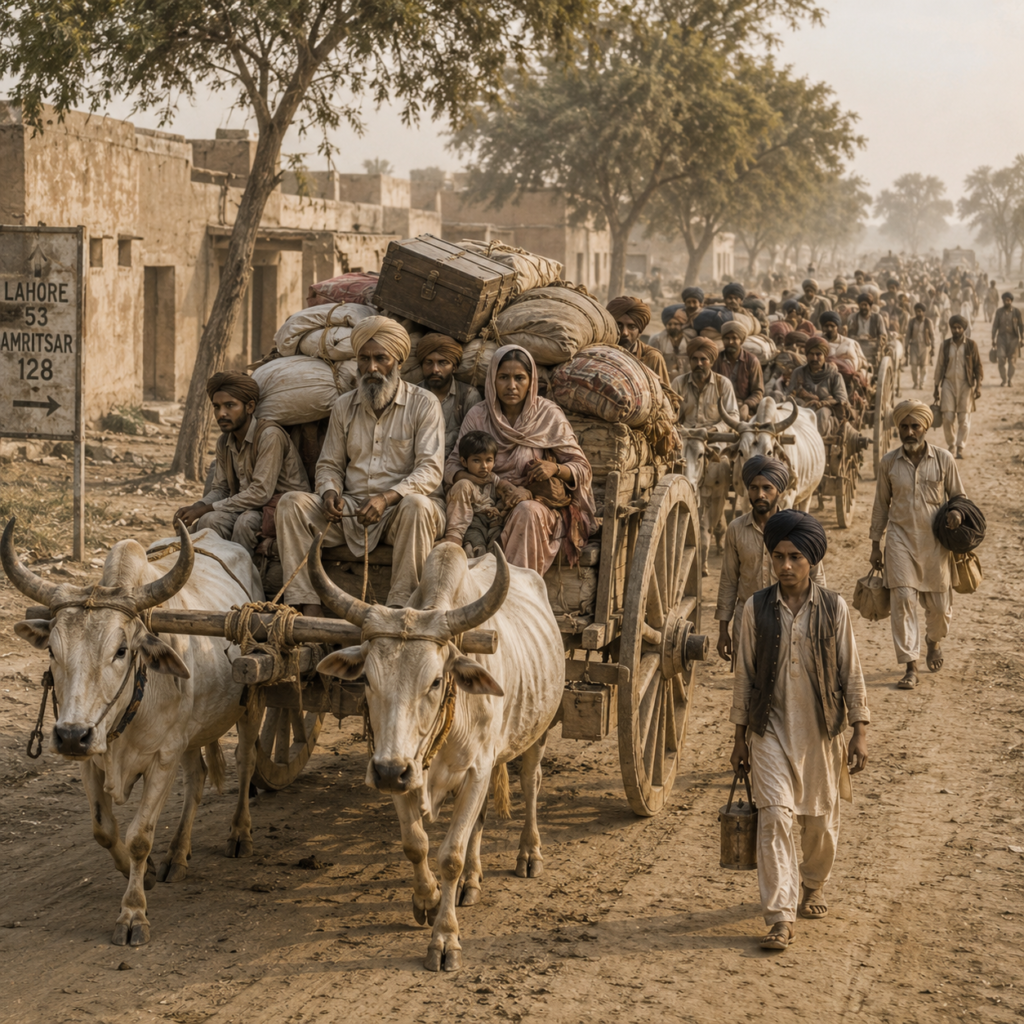
The Partition of British India in 1947 profoundly affected Toba Tek Singh.
Many Sikh and Hindu families migrated to India, while Muslim families from India settled in the district.
Although the migration brought significant social and demographic changes, local communities gradually rebuilt their lives.
New settlements emerged, and agriculture continued to expand during the following decades.
The resilience of the people helped shape the district into a peaceful and productive region.
Becoming a Separate District
For many years, Toba Tek Singh remained part of Faisalabad District.
Recognising its growing population and economic importance, the Government of Punjab officially declared Toba Tek Singh a separate district in July 1982.
This decision improved:
- Local administration
- Public services
- Education
- Healthcare
- Infrastructure
- Agricultural management
Today, the district includes several tehsils and hundreds of villages that contribute to Punjab’s economy.
Agriculture: The Foundation of Prosperity
Toba Tek Singh is widely regarded as one of Pakistan’s most productive agricultural districts.
Its fertile soil and extensive irrigation network support the cultivation of:
- Wheat
- Sugarcane
- Cotton
- Maize
- Rice
- Vegetables
- Fruits
The district also has a strong livestock sector, dairy farming, poultry production, and agro-based industries.
Agriculture continues to provide employment for thousands of families.
Education and Economic Development
Over recent decades, Toba Tek Singh has expanded beyond agriculture.
The district now offers:
- Public and private schools
- Colleges
- Technical institutes
- Universities nearby
- Healthcare facilities
- Industrial units
- Modern retail markets
Many residents have established successful businesses throughout Pakistan and overseas, contributing to the district’s economic development.
Education and Economic Development
Over recent decades, Toba Tek Singh has expanded beyond agriculture.
The district now offers:
- Public and private schools
- Colleges
- Technical institutes
- Universities nearby
- Healthcare facilities
- Industrial units
- Modern retail markets
Many residents have established successful businesses throughout Pakistan and overseas, contributing to the district’s economic development.
Culture and Community
The people of Toba Tek Singh are known for their hospitality, honesty, and strong work ethic.
Punjabi is the most widely spoken language, while Urdu is commonly used in education, business, and government.
Traditional festivals, weddings, and community events continue to reflect the district’s rich cultural heritage.
Why Toba Tek Singh Is Important Today
Today, Toba Tek Singh is recognised as:
- One of Punjab’s leading agricultural districts
- A major producer of wheat and sugarcane
- An emerging business and educational centre
- A growing destination for investment
- A vibrant community with a rich cultural identity
Its strategic location between Faisalabad, Jhang, Sahiwal, and Chiniot further strengthens its commercial importance.
Timeline of Toba Tek Singh
| Year | Historical Event |
|---|---|
| Early 1800s | Tek Singh establishes a resting place near a natural pond. |
| Late 1800s | British begin Canal Colony development. |
| 1890s–1900s | Canal irrigation transforms agriculture. |
| Early 1900s | Planned villages and railways boost settlement. |
| 1947 | Partition leads to major demographic changes. |
| 1982 | Toba Tek Singh officially becomes a separate district. |
| 2000–Present | Rapid growth in education, healthcare, business, and infrastructure. |
❓ Frequently Asked Questions
Why is Toba Tek Singh called Toba Tek Singh?
The district is named after a respected Sikh religious figure, Tek Singh, who is believed to have maintained a pond ("Toba") where travellers and caravans could rest and obtain water. Over time, the settlement became known as Toba Tek Singh, meaning "Tek Singh's Pond."
When did Toba Tek Singh become a district?
Toba Tek Singh was officially established as a separate district of Punjab, Pakistan, in July 1982, after being part of Faisalabad District.
What is Toba Tek Singh famous for?
Toba Tek Singh is renowned for its fertile agricultural land, canal irrigation system, and the production of wheat, sugarcane, cotton, maize, and rice. The district is also recognised for its educational institutions, growing business community, and hardworking people.
Which language is spoken in Toba Tek Singh?
Punjabi is the most widely spoken language in Toba Tek Singh, while Urdu is commonly used in education, business, government offices, and everyday communication.
Conclusion
The history of Toba Tek Singh is a story of transformation. From a small resting place built around a pond to one of Pakistan’s leading agricultural districts, its journey reflects resilience, innovation, and community spirit.
As the district continues to grow through education, technology, entrepreneurship, and local businesses, preserving its history remains essential. Understanding the past helps residents and visitors appreciate the remarkable progress that has shaped modern Toba Tek Singh.
Whether you are a resident, investor, tourist, student, or researcher, the history of Toba Tek Singh offers valuable insights into one of Punjab’s most dynamic districts.
Explore More on TobaTekSingh.Online
Continue discovering Toba Tek Singh through our Business Directory and City Guide, where you’ll find local businesses, restaurants, schools, hospitals, tourist attractions, and much more—all in one place.

Explore Toba Tek Singh Local Businesses